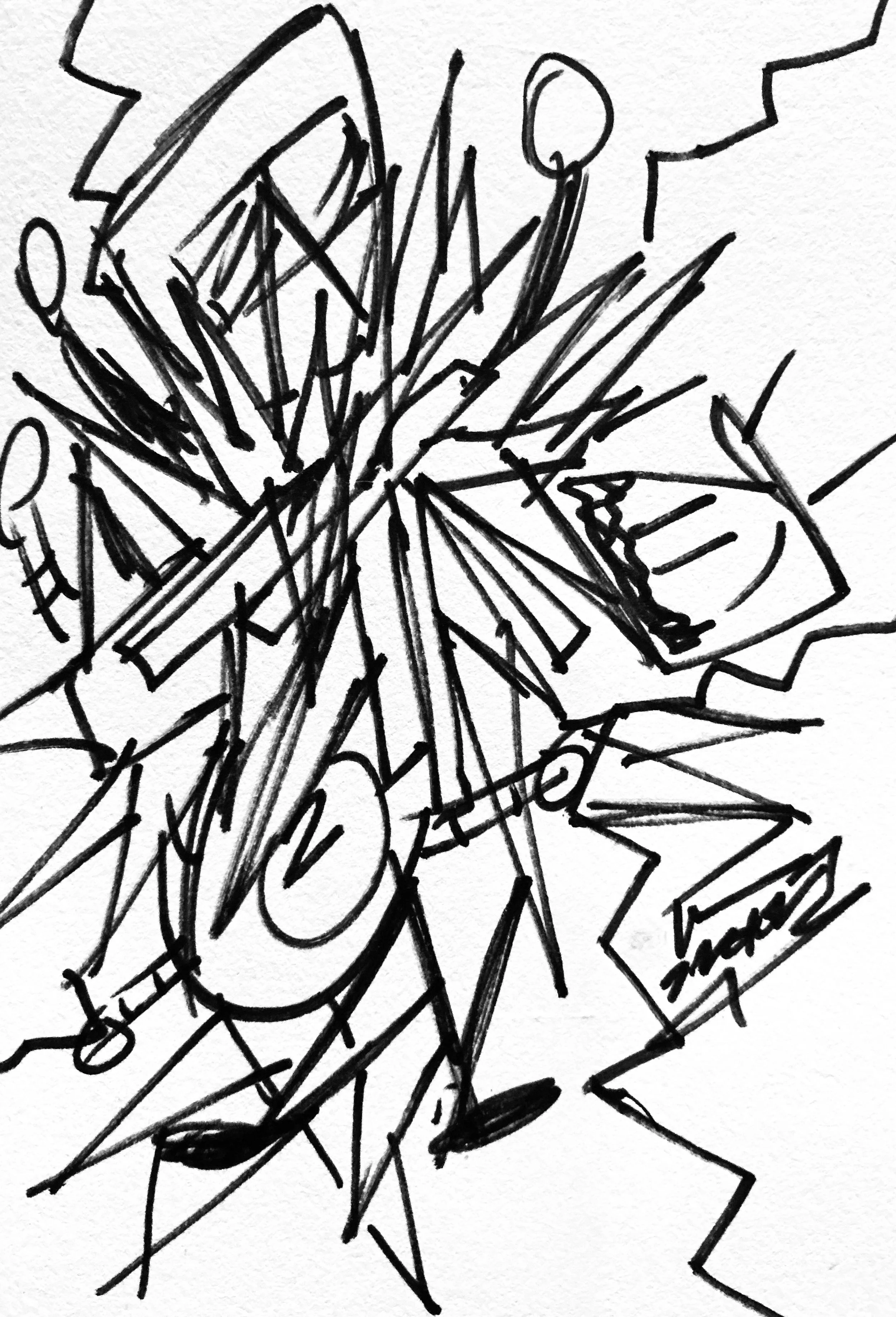

fresh ink

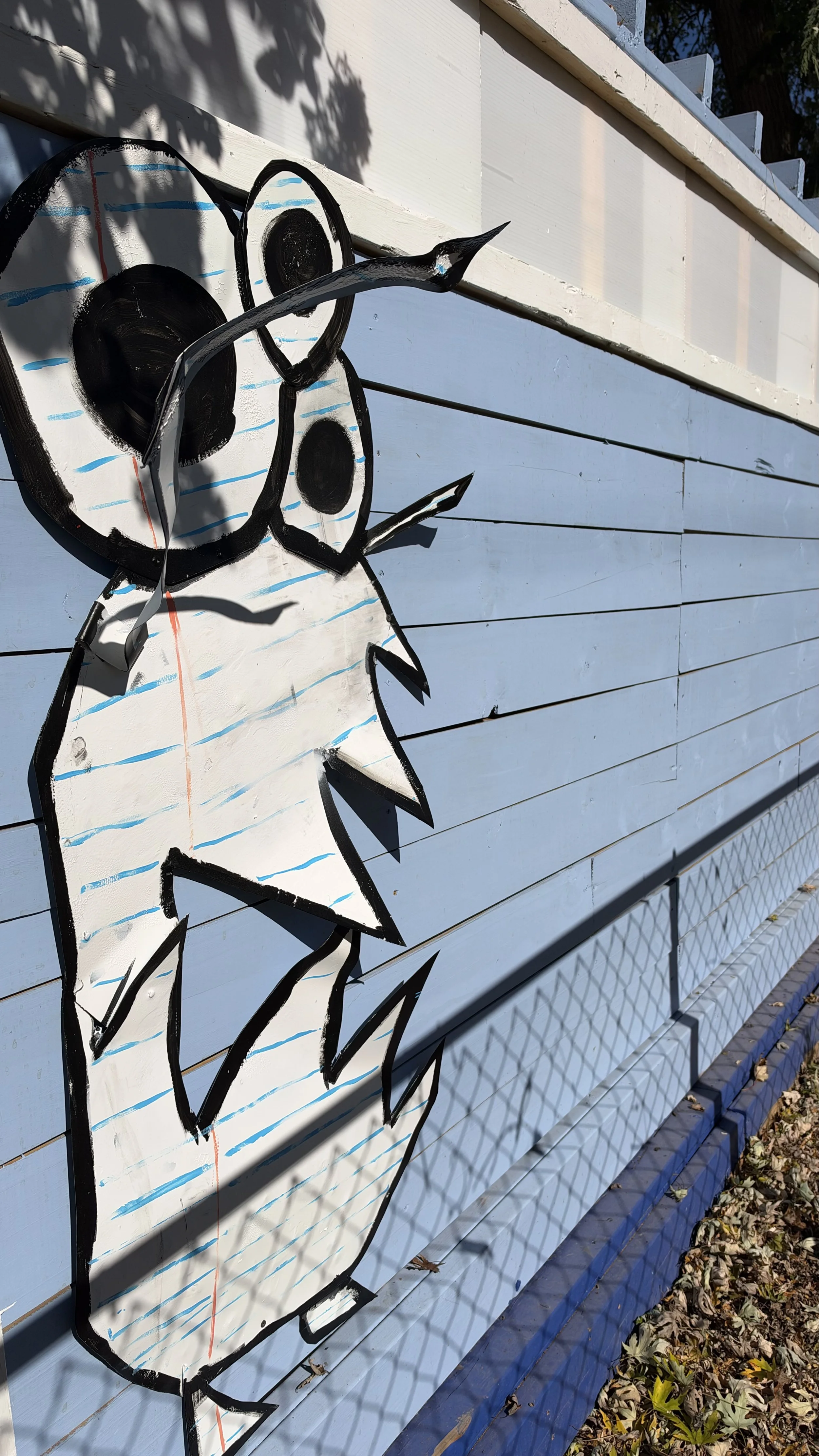
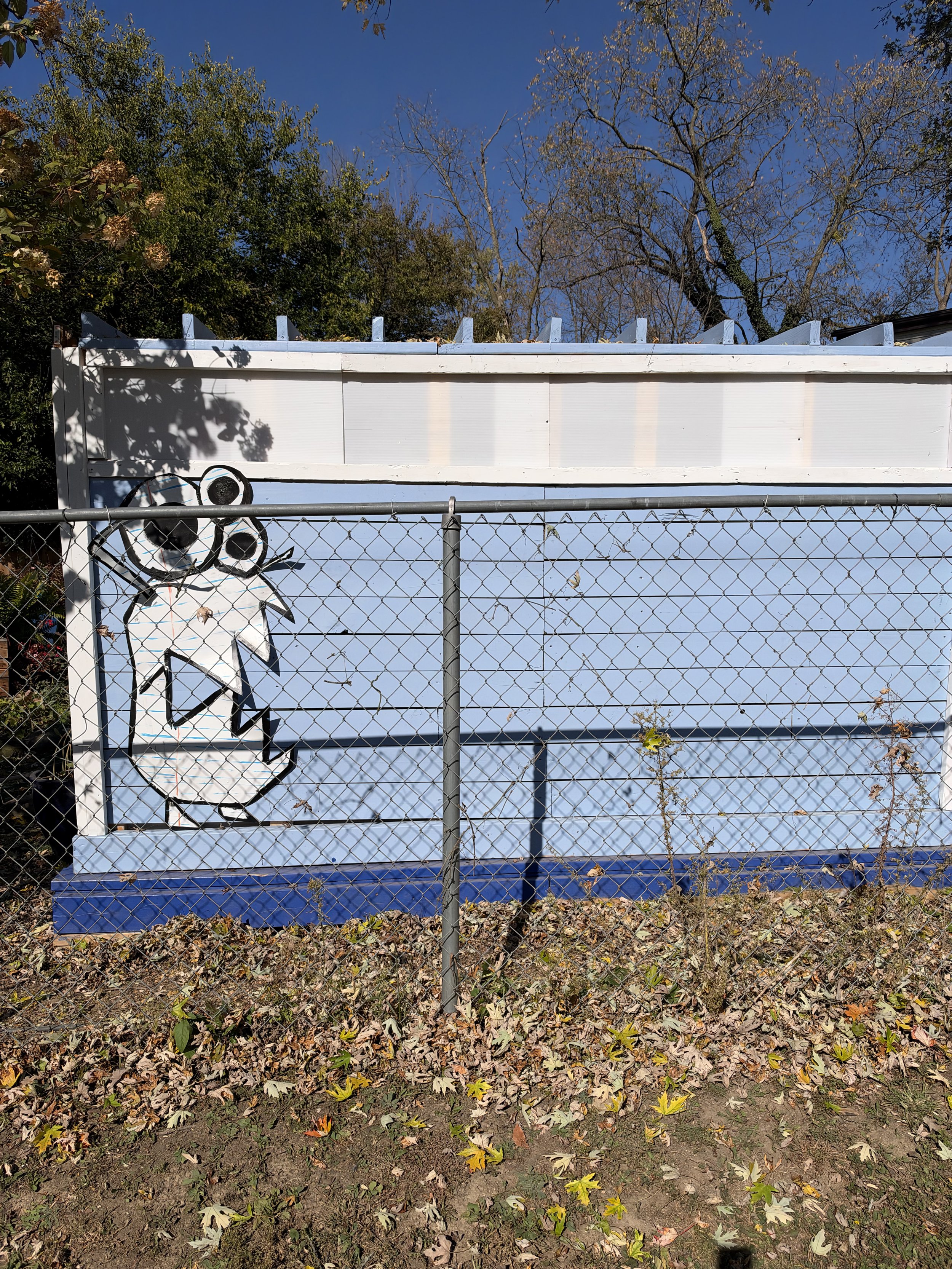
Waited a bit to share him, so you didn't have to stare at my red arm and Pepe's bloodshot eyes. But here he is, a few days into his healing journey.

As for why he's clinging to my arm and looking up longingly: when I first moved back to OH from MA, I lived with my grandparents until I got set up on my own (or, rather, met K and just never left her house). It was during this time that I sold and wrote my first book, COMICS FOR FILM, GAMES, AND yadda yadda (still getting $10 from that every so often, so that's nice), in the furnished basement of said grandparents' home, over the course of five months.

Every morning, I would eat breakfast with them at 0700. They always watched GOOD MORNING AMERICA and, at 0745, as soon as I saw Lara Spencer's legs, I went downstairs and got to work on the book. Repeat daily.

Flash forward a decade and a half, give or take, and this clip - which aired not long after I had moved in with K, it seems! -  pops up on one of the algorithmic feeds:

And lo, in finding a kindred spirit in Pepe, it was decreed that Pepe, gazing longly up at me instead of Ms Spencer, would have to join my tattoo menagerie not only as a fun little bit of ink (my tattoo artist now is trying to decide what her Pepe tattoo will be) but a tribute to a fond memory (ok two… no, fine, four).

THE FALL OF THE HOUSE OF USHER (Webber & Watson, 1928)

It was the midwinter of 1926, in Rochester, New York, when James Sibley Watson, Jr. and his friend Melville Webber first started filming their adaptation of Edgar Allan Poe’s 1839 short story, “The Fall of the House of Usher”. They had set up in an old stable; the cast was made up of Herbert Stern (a local architect), Sibley Watson’s wife Hildegard, and Webber himself. They only had twelve kilowatts of direct current for lighting, and very little heat, let alone room for sets...

... it was clear they could not make anything like The Phantom of the Opera (1925), the Gaston Leroux adaptation that had reconstructed the Grand Opera in Paris for its shocked audience the previous year. So instead, over the next two years, they created a thirteen-minute feature that has been called one of the first avant-garde films produced in the United States: a work that seeks to evoke not the plot or even characters of its source material but Poe’s claustrophobic, itchy energy