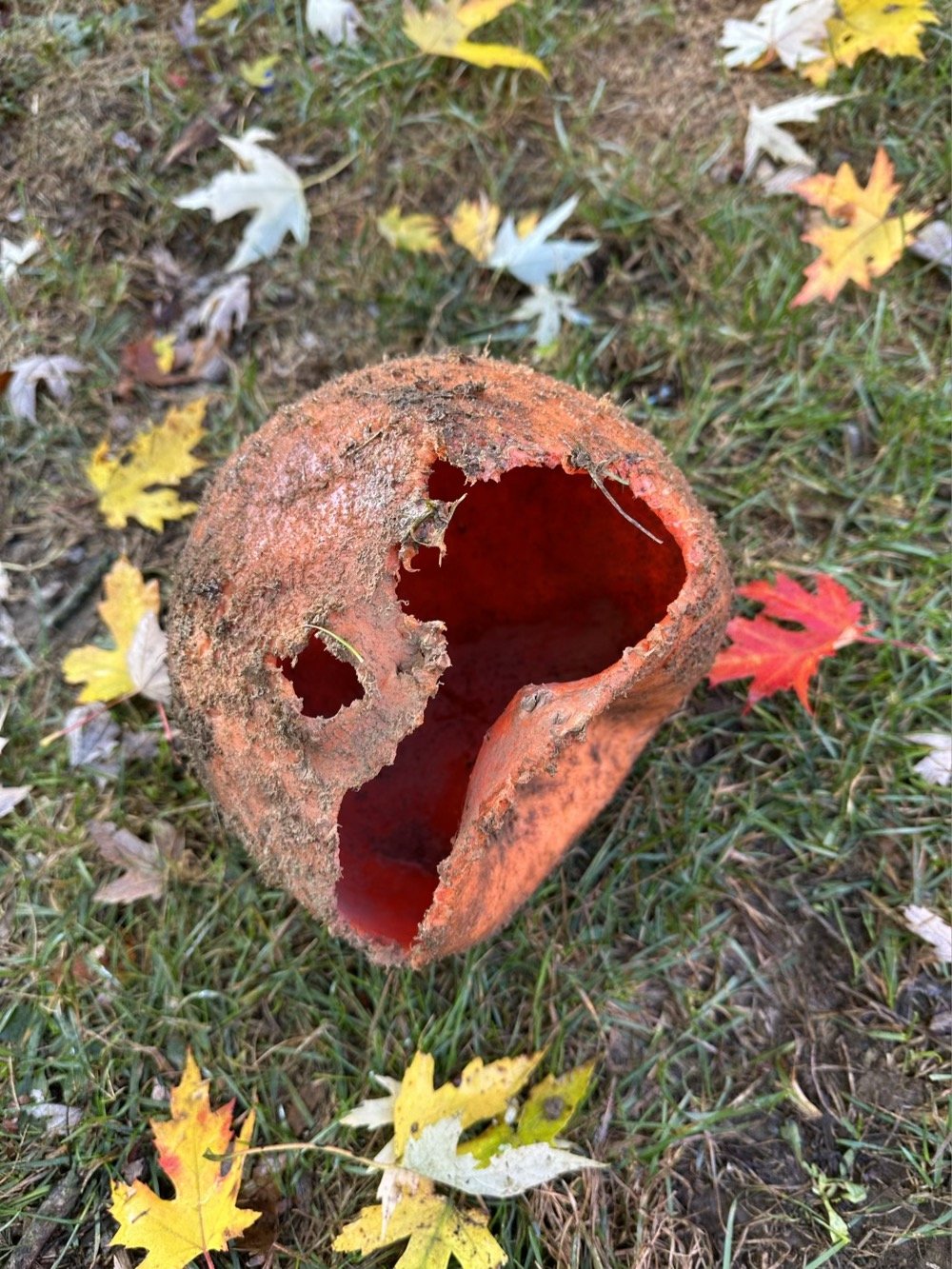
My brain needed today’s day of nothing (except voting).

SitRep/20231023
Sent a quick (ok, not so quick as my editing skills are nonexistent at present) follow-up newsletter to subscribers with an update (and thank you) on the current situation. Recording a bit of it here, for my own reference (and remembrance).
“As for my grandfather, he's still kicking - in spite of having a second massive heart attack which should have killed him on Saturday evening – and I'm working with an amazing hospice team to make his final days as comfortable and pain-free as possible. This was my first time working with them: I had set it up for my mother, but we determined it was too risky to move her – fortunately, one of the hospital nurses had worked as a hospice nurse and knew how to handle it. Their work is truly amazing: two hours after I signed the papers, his room at assisted living was converted to a full suite with hospital bed and everything and we had him back there from the hospital. He was pleased to get back – and with the throngs of visitors who came to see him.
Today, I'll make the calls to cancel all future follow-ups and dialysis appointments. Once those treatments stop, he'll have anywhere from a few hours to a few weeks, visiting friends, loved ones, and able to simply drift away, painlessly; he's earned his rest after 96 great years and one hellish month of 97 and, at this point, it's the best gift I can give him. Profound relief on all fronts.
As for me, the combo of no sleep and T1D wave-riding has kicked my ass. Hopeful that I can start to build myself back up in the coming days. But it has given me deeper empathy for his mindset and situation: if the last four days did this to me, I can only imagine what it did to his system – and he's got 55 years, borked kidneys, heart, bladder, and three tubes (one of which got torn out on Thursday evening, which overwhelmed his system and led to this endgame) on me….”
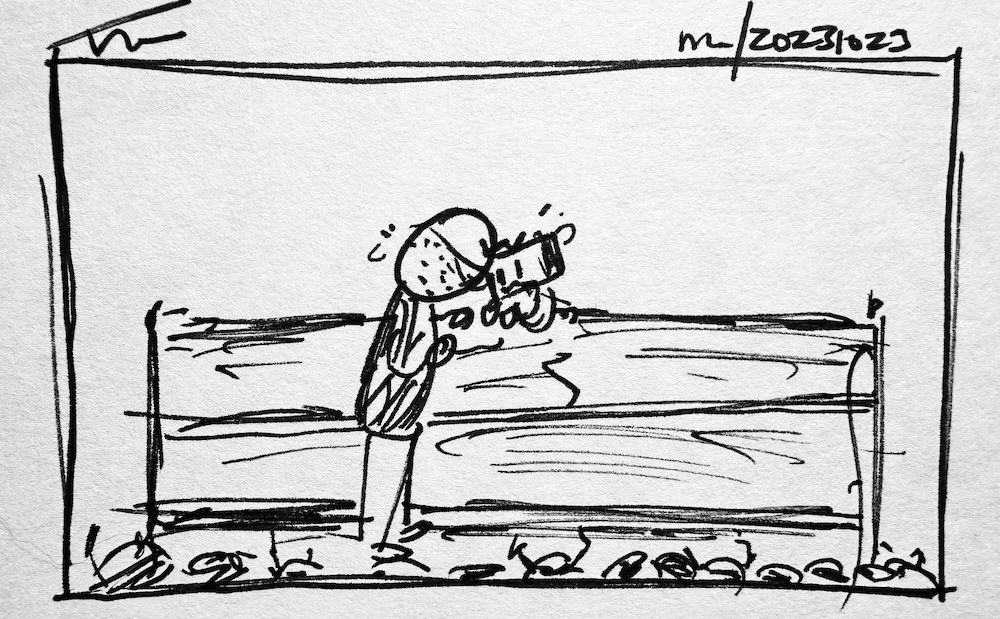
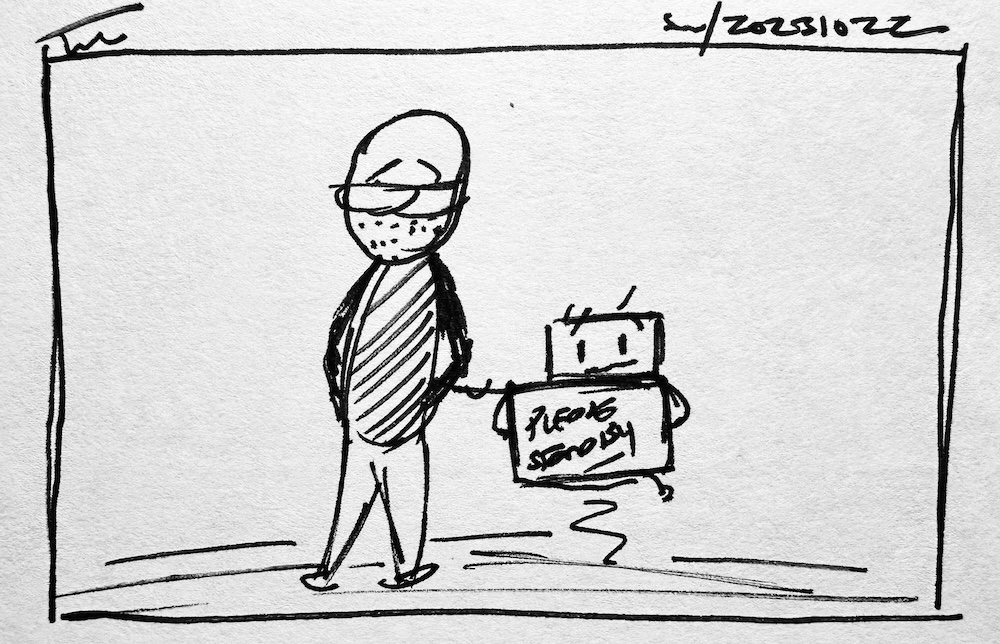
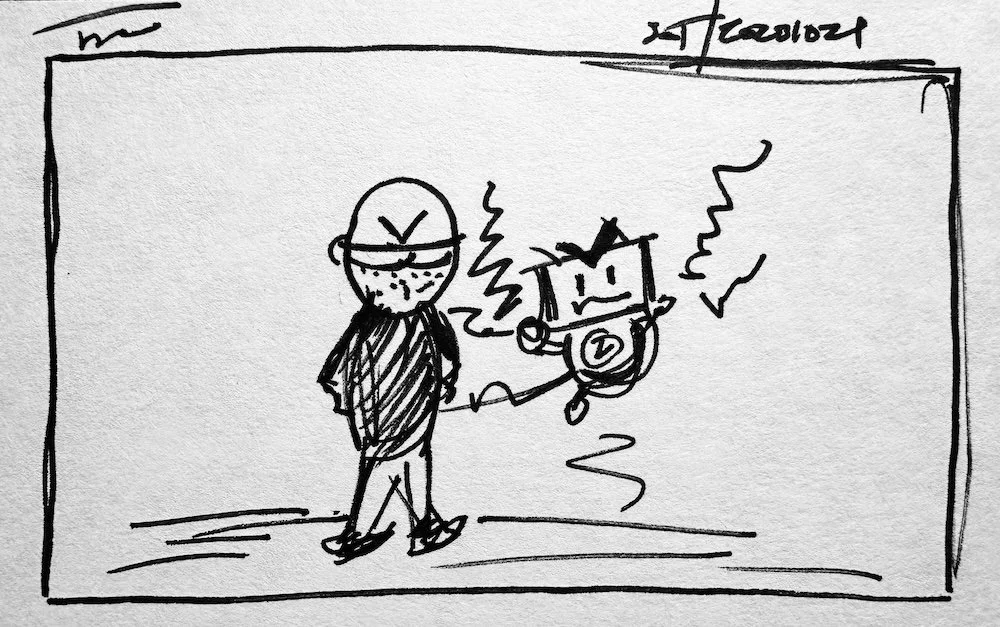
Pretty sure that “delightful” was coined in anticipation of SUPER MARIO BROS. WONDER. What a game.
“I think he finally came back to embracing the piano again.”
Great interview with Ryuichi Sakamoto’s son, Neo Sora, about OPUS, his film featuring his father in his final performance. Looking forward to seeing the film (via Pitchfork):